


Stop assuming that a driveway full of luxury cars means someone is wealthy.
Riches, money, and wealth are not the same thing.
Physical riches can be deceitful. They present the appearance of wealth through status symbols. If the average person sees someone driving an expensive luxury car, they assume the person is wealthy, but the driver could be renting the car and doesn’t own it. Just because a person has a lot of stuff doesn’t automatically mean they have loads of money or are wealthy. Riches can give the impression of a status that a person doesn’t legitimately have.
Many warnings caution against riches because things aren’t always what they seem. It is wise not to envy people who have money because you don’t know what they had to go through to get it. They could be a mobster, a Wall Street investor, or an entrepreneur who built successful businesses. The truth is, you don’t know.
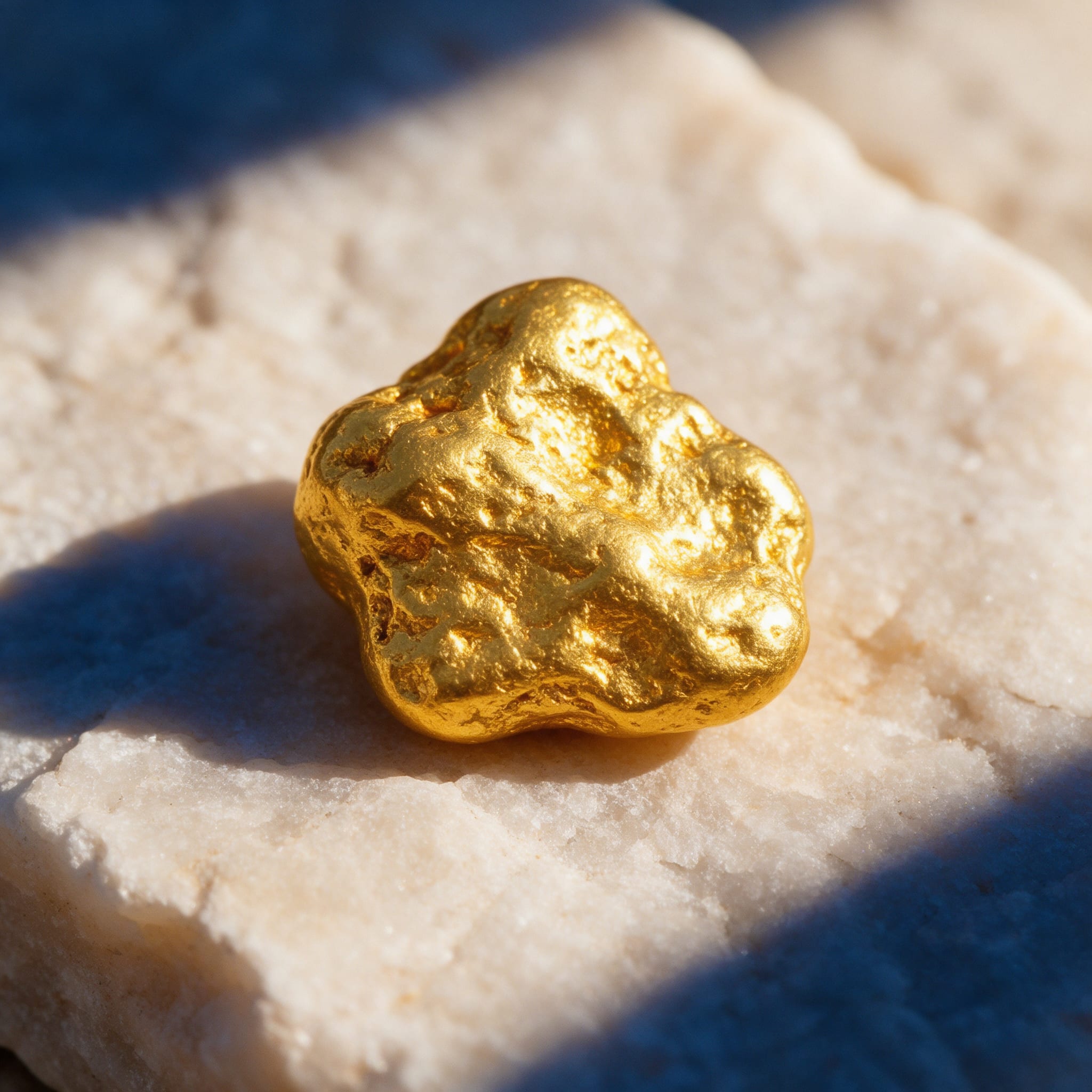
Gold is the universal symbol for wealth. In Genesis 2:12, Scripture says, “the gold of that land is good” — the same word God used again and again in Genesis 1, looking over everything He made and calling it good. Money is inherently good; it stores the value that someone has provided to others. It is also a form of power, purchasing power that takes on the character of the person holding it. Some people use money for good things, while others use it for self-destructive bad things. The critical thing to remember is that money itself is good, and the only way to receive more is to provide value to others.
Wealth is the wisdom to create value from resources. If money is an orange, wealth is the orange tree that produced the orange. Wealth works on two levels—natural and supernatural—and understanding both changes how you build it.
The ultimate resource on this planet is called human capital because people give value to things; things don’t give value to people! Without people, buildings, goods, and services have no value; they are worthless. To remove the illusion of riches, you must understand that all value comes from people. People make clothes, houses, and cars. The implication is that you make your clothes, house, and car look good. You give it value, not the other way around. Put another way, you don’t look good in your clothes; your clothes look good on you.
The same is true of skill. A plumber with no one to service has no meaningful skill — expertise only becomes valuable when it reaches someone who needs it.
There is an old proverb that says, “Give a man a fish, and he will live for a day, but teach him to fish, and you feed him for a lifetime.” In this scenario, money is the fish, wealth is the boat, and the net is a meaningful skill set.
The Natural View

From a natural perspective, wealth boils down to how long you can sustain your standard of living without working another day. The longer you can go without working, the wealthier you will be. Wealthy people create an environment where their money works for them, paying them continuously.
Have you ever noticed some people’s excessive desire to hoard money? You know they have enough money to buy something, but they refuse because they would rather keep it stacked. The purpose of money is not accumulation (saving); its purpose is to circulate and flow so that it may multiply. Only saving currency is like the water that flows into the Dead Sea. It is where things go to die because nothing flows out for it to multiply. Saving is not bad, but once a savings account is depleted, it’s gone, and you must start over. It is more desirable to have a steady stream of cash flow with savings on the side that you rarely have to touch.
The Supernatural View

From a supernatural perspective, wealth is an unlimited pool of abundance fueled by creativity; it gives you the resources to live the life you want. The problem is that people lack awareness of the abundance around them. Once they become aware, they can make better-informed decisions. The only way to become rich (meaning to obtain more abundance) is to enrich the lives of others. Perhaps the real question isn’t how much you have, but how much of yourself you’re willing to pour into others — that’s where wealth actually begins.